

THE HISTORY OF THE BATTLEFIELDS
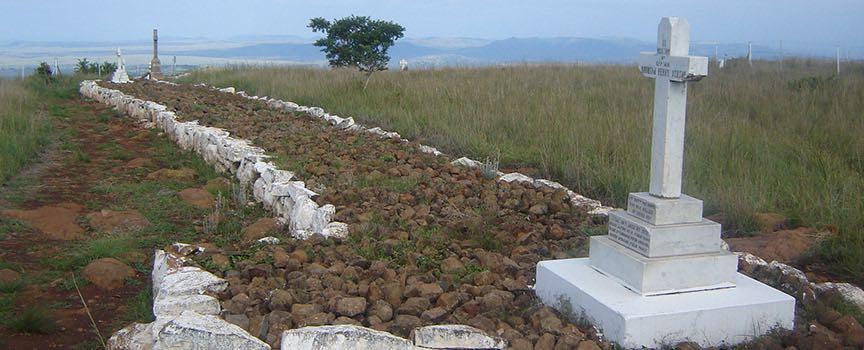
Dramatic events took place in the Anglo-Zulu war of 1879. On the 22nd January an estimated 15,000 Zulu warriors surprised, split and defeated 1,500 British troops at Isandlwana.
ANGLO-ZULU WAR
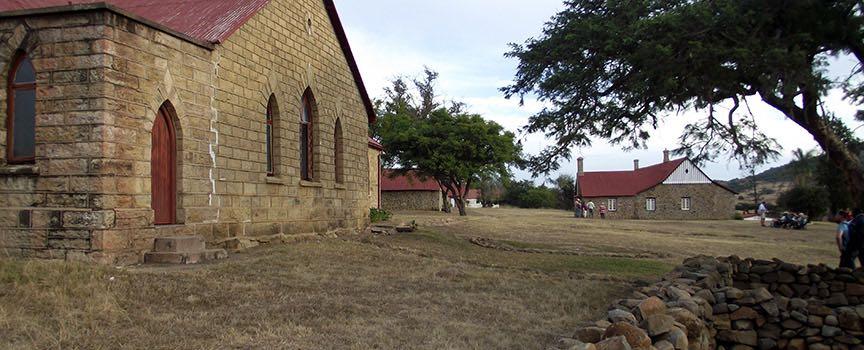
Some of the most dramatic events took place in the Anglo-Zulu war of 1879. On the 22nd January an estimated 15,000 Zulu warriors surprised, split and defeated 1,500 British troops at Isandlwana, capturing The Queen’s Colour in the process. Within a matter of hours some 4,000 Zulu attacked the mission and field hospital at Rorke’s Drift – 100 British troops held them at bay for 12 hours earning 11 Victoria Crosses in the process. But it is the personal stories told by the tour guides and resident historians at the lodges that bring the history to life – after all, battles are fought by people.
BOER-ZULU CONFLICT
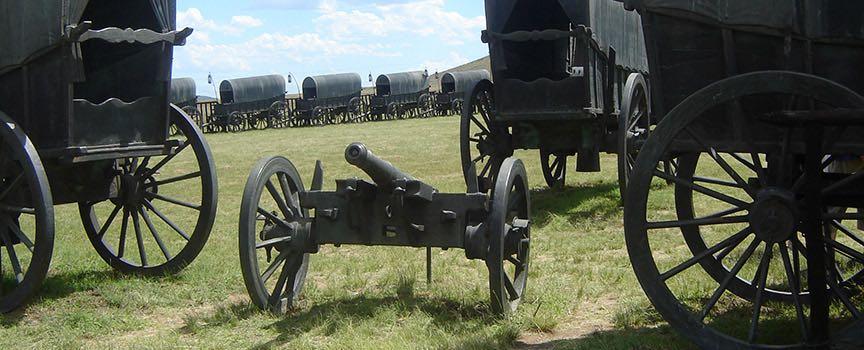
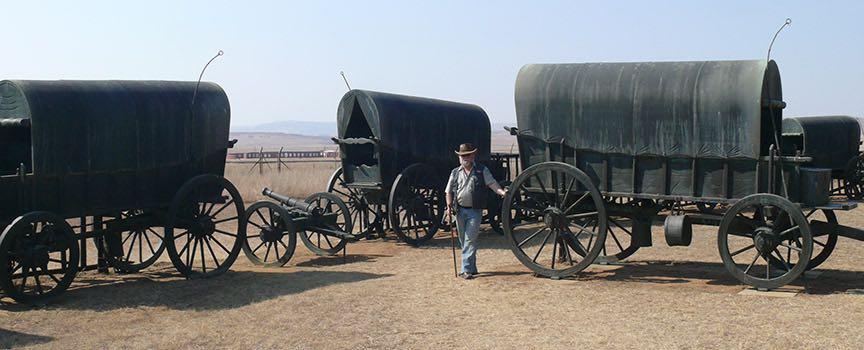
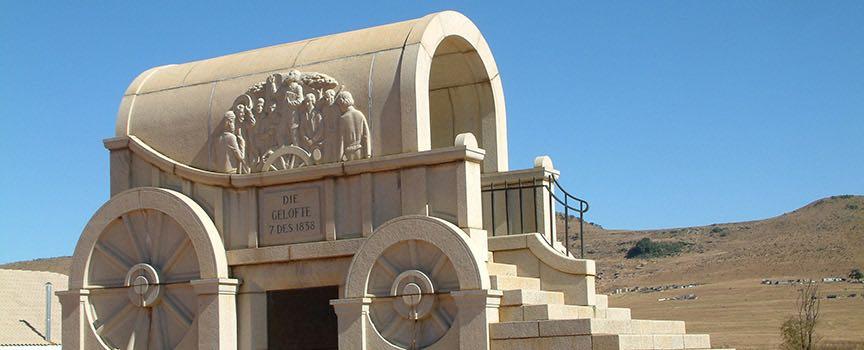
The Afrikaaners (Boers – settlers from the Netherlands) seeking political and cultural self-determination, which they believed could not be achieved under British rule in the Cape Colony, embarked on an epic 16-year journey to establish the Boer republics. The Boer-Zulu conflict was a result of two differing cultures and agendas, and the Battle of Blood River in December 1838 near Dundee has become a significant event in Afrikaans folklore.
ANGLO-BOER WAR
Having established the Boer republics of the Orange Free State and the Transvaal, and after a brief conflict in 1881, gold was discovered in 1886 in the Transvaal and the Gold Rush began ! President Paul Kruger sought to maintain the Boers right to independence but the die had been cast for the final Anglo-Boer War (1899-1902). This was a war fought across the country but it was at Spionkop, Elaadslaagte and Ladysmith that some of the more memorable events took place, many of them witnessed by a young Winston Churchill in his role as war correspondent and Mahatma Gandhi as volunteer stretcher-bearer.
